
Amyloidosis is a rare and potentially serious condition characterized by the abnormal buildup of misfolded proteins called amyloids in organs and tissues throughout the body. These proteins deposit outside of cells and interfere with normal organ function.
Causes
Amyloidosis can be:
Primary (AL) – related to plasma cell disorders, such as multiple myeloma.
Secondary (AA) – caused by chronic inflammatory diseases (such as rheumatoid arthritis or tuberculosis).
Hereditary – caused by genetic mutations (a rare form).
Age-related – common in the elderly, mainly affecting the heart.
Most Affected Organs
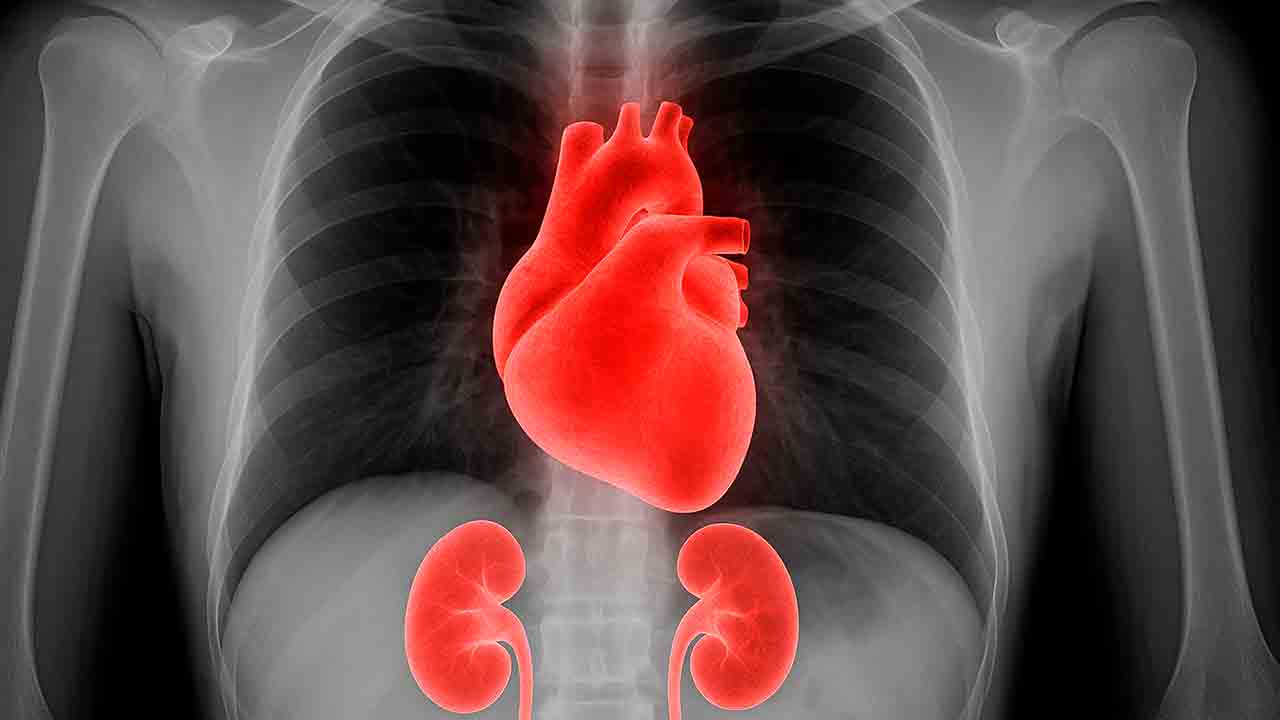
Kidneys (renal failure)
Heart (arrhythmias, heart failure)
Liver
Peripheral nervous system
Gastrointestinal tract
Common Symptoms
Fatigue
Unexplained weight loss
Leg swelling
Shortness of breath
Protein in urine (proteinuria)
Tingling or numbness
Diagnosis
Biopsy of affected tissue (e.g., kidney, abdominal fat)
Blood and urine tests
Protein electrophoresis
Genetic testing (for hereditary cases)
Treatment
Treatment depends on the type of amyloidosis but may include:
Chemotherapy (to suppress abnormal protein production)
Bone marrow transplant
Treatment of the underlying disease (in secondary amyloidosis)
Supportive medications (diuretics, anti-inflammatory drugs)
Source: mayoclinic
